







Search Results for: small-pack coffee beans
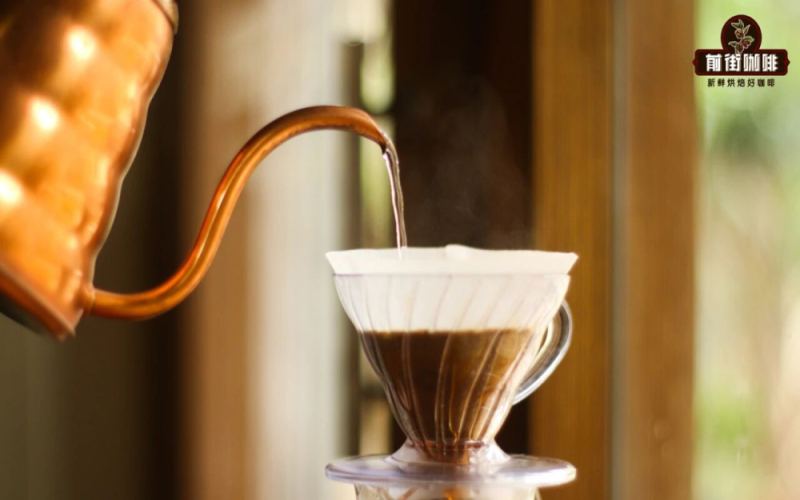
How to Determine the Coffee-to-Water Ratio for Pour-Over? Freshly Ground, Affordable Small-Pack Coffee Beans Recommendation List
To brew a great cup of coffee at home, choosing fresh coffee beans is the first step, and mastering the coffee-to-water ratio is the key. This article starts with the freshness of coffee beans, recommends 5 affordable small-bag coffee beans freshly roasted by Front Street Coffee, covering Huakui, Mandheling, Strawberry Candy, Cerrado Red Bourbon, and Sidra, and explains in detail the meaning and impact of the pour-over coffee-to-water ratio. Finally, using Golden Mandheling as an example, it provides complete brewing parameters and a step-by-step demonstration to help you understand how water volume influences coffee concentration and flavor expression. [more…]

Uni-President Assam Milk Tea prioritizes the sugar-free original flavor first—can 0 sugar and 0 sugar substitutes preserve the classic taste?
The bottled milk tea market is undergoing a health-oriented transformation. Uni-President Assam Milk Tea has launched its first sugar-free original flavor version, highlighting "true 0 sugar," meaning it contains no sucrose, sugar substitutes, or carbohydrates, and in particular explicitly avoids acesulfame potassium, sucralose, erythritol, and aspartame. The new product has the same 500ml capacity as the classic version and retails for about 3.6 yuan. Although its ingredients still include food additives, white granulated sugar and glucose syrup have been removed. Energy per 100 milliliters has dropped from 230 kilojoules in the classic version to 58 kilojoules, a significant reduction in sugar. In recent years, ready-to-drink tea and sparkling water have diverted some bottled milk tea consumption, while freshly made new-style tea drinks have also taken away younger customers. Uni-President's move is both a response to the sugar-reduction trend and a proactive innovation in the face of market competition. However, the technical difficulty of 0-sugar milk tea lies in balancing taste. Whether it can retain Assam's classic flavor after removing sugar will test the brand's research and development strength. [more…]
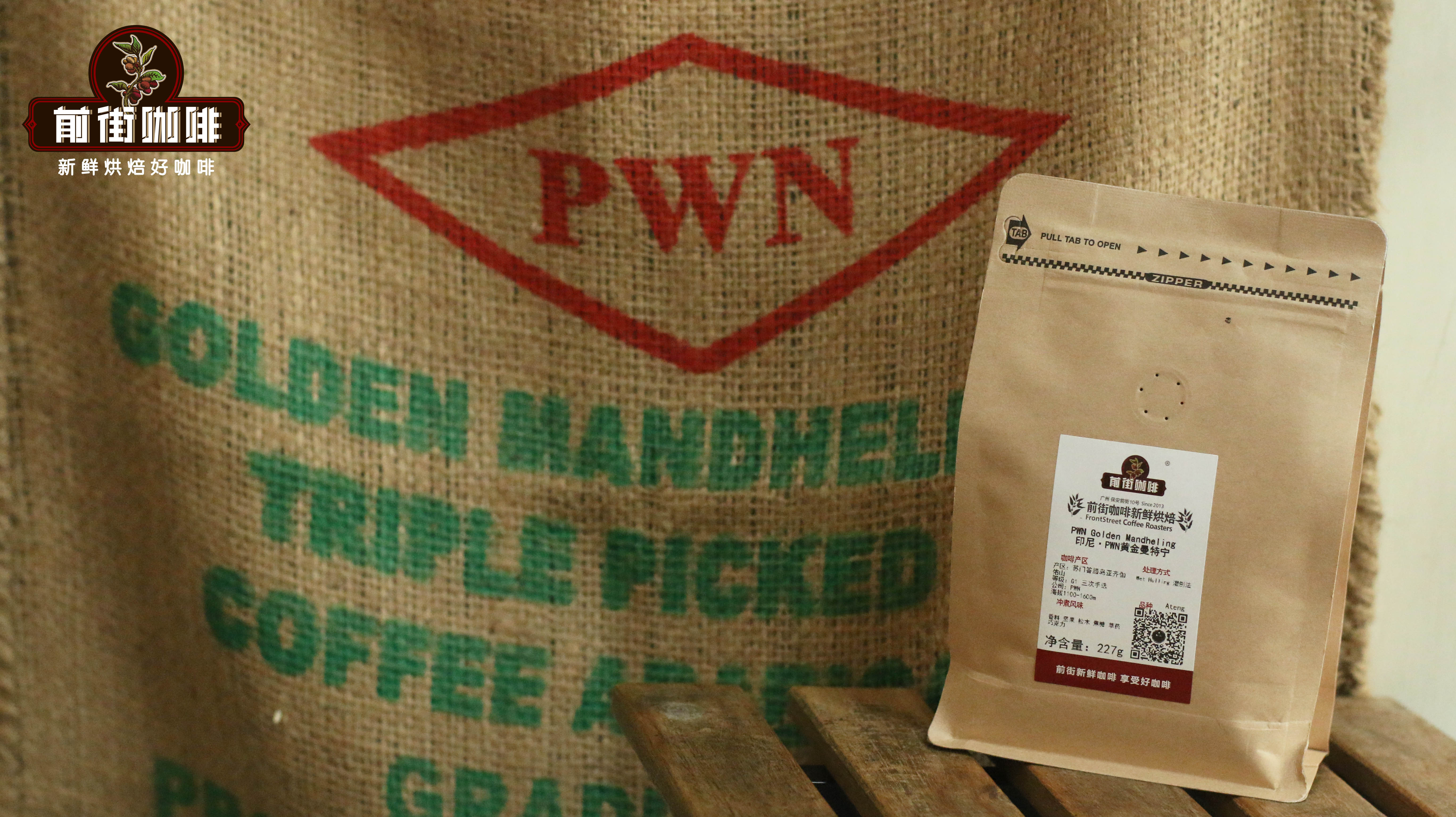
Analysis of the Differences Between Indonesian Mandheling and Espresso Coffee: Does Mandheling Bean Belong to the Category of Arabica Specialty Coffee?
Mandheling coffee, with its herbal aroma and full-bodied mouthfeel, has gradually won the favor of many enthusiasts amid the specialty coffee wave. But many people still wonder: how exactly does Mandheling differ from espresso? Does it belong to the category of specialty Arabica beans? This article starts with the varietal origins of Front Street Mandheling, traces the planting history of Indonesian coffee and the origins of the wet-hulling process, breaks down the key points of brewing dark-roasted Mandheling, and includes hand-brew parameters and a three-stage pouring technique recommended by Front Street baristas, giving you a comprehensive understanding of this representative of Southeast Asian flavors. [more…]

A Coffee Bean Procurement Guide for Small Cafés: Supplier Channels and Key Points for Selecting Commercial Beans
Opening a small coffee shop means that the coffee bean sourcing channels and supplier choices directly determine product quality and operating costs. This article outlines five common coffee bean sourcing methods for small coffee shops, including local ingredient suppliers, professional coffee bean suppliers, training institutions, online brands, and self-purchased green beans for roasting. It also explains the conditions that high-quality commercial coffee beans should meet across five dimensions: freshness, quality consistency, value for money, variety richness, and crema performance. At the same time, drawing on the practical experience of Front Street Coffee, it introduces packaging one-way valve design, roast date labeling, blend recipe stability, and the cost advantages of commercial blends, providing a reference for coffee shop operators looking for a suitable coffee bean wholesaler. [more…]
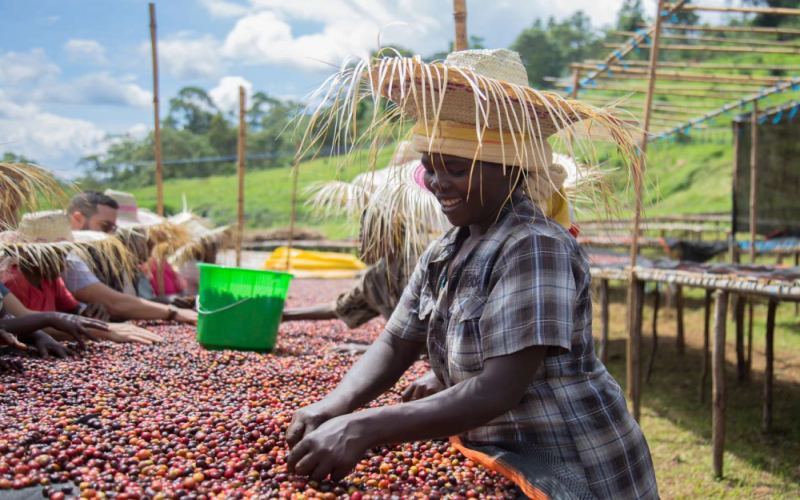
From Natural and Washed to Wet-Hulled, Honey, and Anaerobic Fermentation: A Complete Analysis of Flavor Differences in Common Coffee Processing Methods
Turning coffee cherries into green beans relies on the crucial step of "processing." Different methods of removing the skin, pulp, mucilage, and parchment lead to entirely different flavor directions in the final cup. This article systematically reviews the operational processes and flavor characteristics of common processing methods such as natural, washed, semi-washed (honey), wet-hulled, and anaerobic fermentation, while also explaining the specific performance of beans like Front Street Red Cherry, Fruit Ding Ding, Lintong Mandheling, Sidra, and Big Belly under each processing method, helping coffee enthusiasts understand how processing shapes a cup's acidity, sweetness, and sense of place. [more…]
Indonesian Coffee Beans Flavor and Producing Region Analysis: Mandheling Varieties, Wet-Hulling Processing, and Pour-Over Parameters
Indonesia is one of the earliest regions in Asia to cultivate coffee, and its coffee development has gone through the decline of Typica, the introduction of Robusta, and the rise of Timor hybrid varieties. Sumatra's Mandheling, with its unique wet-hulling process, presents herbal, spicy notes and a full body. This article systematically analyzes the core characteristics of Indonesian coffee, from historical context, regional terroir, and variety evolution to brewing parameters. Front Street Coffee's Lintong Mandheling everyday beans and Golden Mandheling both come from Sumatra, use wet-hulling processing, are medium-dark roasted, and are suitable for home pour-over brewing. [more…]
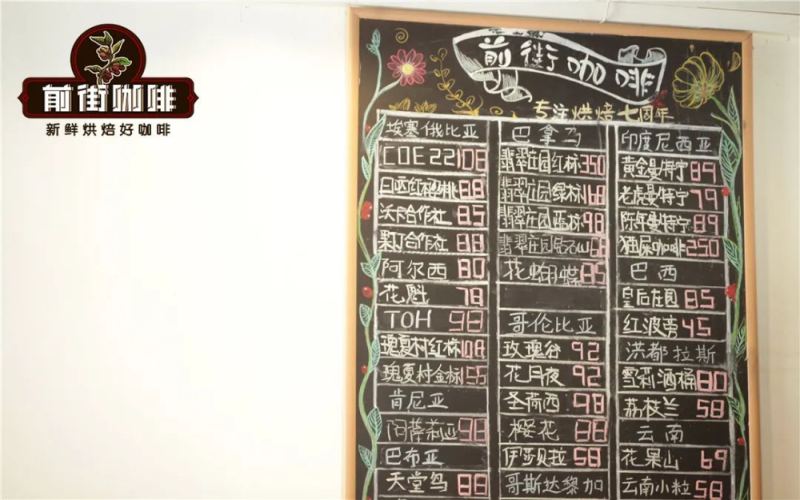
Front Street Golden Mandheling Pour-Over Parameters Explained: A Practical Guide to Grind Size, Water Temperature, Dripper, and Three-Pour Technique
Front Street Golden Mandheling is a bean on the Front Street menu with quite prominent body and bitterness, often recommended to customers who prefer strong, bitter coffee. When brewing it as pour-over, questions about parameters always come up the most. In this article, Front Street will start by discussing the origins of the Mandheling flavor, then break down the key pour-over details of Front Street Golden Mandheling one by one—grind size, water temperature, dripper choice, and staged pouring—to help everyone brew this bean into the Mandheling style it deserves. [more…]
Tracing the Origin of Indonesian PWN Golden Mandheling Coffee and a Detailed Guide to Pour-Over Parameters: Wet-Hulled Flavor Profile and Front Street Coffee Brewing Recommendations
Mandheling coffee is known for its full body, low acidity, and herbal, spicy aroma, and the Golden Mandheling produced by Indonesia's PWN company is a standout example of the finest among them. This article starts from the Sumatra growing region, outlining the cultivation background of the two major origins, Aceh and Lintong, analyzing how the wet-hulling process shapes Mandheling's unique regional flavor, and detailing Front Street Coffee's pour-over approach and specific parameters for PWN Golden Mandheling. Whether you are a beginner just getting to know Mandheling or an enthusiast looking to refine your brewing technique, you will find practical reference here. [more…]
A Comprehensive Analysis of Front Street Golden Mandheling Coffee: Wet-Hulled Processing, Variety Characteristics, and Pour-Over Parameter Guide
Mandheling coffee is renowned for its low acidity, full body, and intense bitter notes, and Front Street Golden Mandheling is the finest representation of this style. This article takes an in-depth look at how Indonesia's unique wet-hulling process gives Mandheling its distinctive herbal and spice aromas, analyzes PWN's strict quality control standards for Golden Mandheling, and explores its varietal origins and flavor profile. At the same time, Front Street Coffee's baristas will share a pour-over recipe tailored to this dark-roasted bean, including the rationale for choosing the Kono dripper, the approach to grind size adjustment, and the specific parameters for a three-pour method, helping coffee enthusiasts fully bring out the dark chocolate, caramel, and nutty notes of Front Street Golden Mandheling at home. [more…]
A Flavor Guide to Seven Front Street Coffee Daily Beans: Regional Choices and Brewing Tips from Africa to Yunnan
Those just starting out with pour-over coffee often begin by searching online for small packages of coffee beans, worried that buying too much might result in waste if they don't like the taste. When searching for "small package pour-over coffee beans" or "100g coffee beans," Front Street's everyday beans frequently appear in the results. Front Street's everyday beans are affordably priced, and during promotions the price drops so low it makes people question the quality—but Front Street emphasizes that whether large package or small, including the 15g sample included with the beans, they are all freshly roasted, high-quality coffee beans. For beginners who want to explore the flavors of major regions at a reasonable price, this everyday bean series is a great choice. This article will introduce the definition of regional flavor, the seven origins of Front Street's everyday beans, and how to obtain the flavor characteristics and brewing parameters of each bean. [more…]
Indonesian Sumatra Coffee Brands Rundown: From Aceh Tiger Mandheling to the Flavor Code of Wet-Hulled Processing
Sumatra Mandheling is the calling card of Indonesian coffee, and the Tiger Mandheling produced in the Aceh region is especially renowned for its 19-mesh selection and unique agarwood aroma. This article begins with the geography and history of the Aceh region, tracing the naming origins of Tiger Mandheling, the characteristics of the Typica and Caturra varieties, and explaining in detail how the wet-hulling process shapes a regional flavor interwoven with wood, spice, and herbal notes under humid climates. It also presents Front Street Coffee's roasting curve, cupping report, and Kono dripper brewing parameters, and introduces the 100-gram small-pack Lintong Mandheling daily beans for coffee enthusiasts to reference for home pour-over. [more…]
A Complete Guide to Coffee Bean Processing Methods: Flavor Differences Between Natural, Washed, Honey, Wet-Hulled, and Anaerobic Fermentation
From fruit to green beans, coffee cherries must go through a series of processing steps to remove the skin, pulp, mucilage layer, and parchment. The processing method directly determines the final flavor profile of the coffee. This article systematically reviews the operational procedures and flavor characteristics of common processing methods such as natural (dry), washed (wet), honey (semi-washed), wet-hulled (Giling Basah), and anaerobic fermentation, compares their respective advantages and disadvantages, and explains why washed beans have bright acidity, natural beans are rich in fruity aromas, and wet-hulled beans carry a distinctive woody-spicy note. At the same time, the article combines specific Front Street Coffee products such as Red Cherry Yirgacheffe, Gudingding, Lintong Mandheling, Xizhua, and Daduqi to demonstrate the flavor expression of different processing methods in actual coffee beans, helping readers build a complete understanding from processing method to flavor in the cup. [more…]
Natural, Washed, Semi-Washed, Wet-Hulled, Anaerobic and Barrel-Fermented: A Full Analysis of the Flavor Pros and Cons of Six Major Coffee Processing Methods
For coffee cherries to become green beans, they must undergo a series of processing steps to remove the skin, pulp, mucilage layer, and parchment. Different processing methods not only determine the appearance of the green beans but also profoundly shape the final flavor profile in the cup. Traditional natural, washed, semi-washed, and honey processing each have their adherents, while in recent years new methods such as anaerobic fermentation and barrel fermentation have emerged endlessly, bringing more possibilities to coffee flavor. This article will systematically sort out the operational processes, advantages and disadvantages, and flavor characteristics of these processing methods, interspersed with examples of several representative products under the Front Street Coffee brand, to help coffee enthusiasts build a clear cognitive framework for processing methods and have more direction when purchasing and tasting. [more…]

What coffee beans should you choose to make Americano? A professional analysis of premium Americano coffee bean brands and key buying points
To make a delicious Americano at home or in a shop, the choice of coffee beans is crucial. Faced with a dazzling array of brands and rankings on the market, how do you find coffee beans that truly suit you, with stable quality and freshness? This article, drawing on the practical experience of Front Street Coffee, systematically sorts out the logic of selecting Americano coffee beans, including the five major standards for commercial beans, the formulation approach for espresso blends, the principles behind crema formation, and the common sourcing channels for small cafés. It also introduces in detail Front Street Coffee's advantages in espresso bean stability, cost-effectiveness, and fresh roasting, providing a practical reference guide for coffee enthusiasts and industry professionals. [more…]

Luckin vs. Starbucks Yirgacheffe Coffee Price Comparison: Yirgacheffe Coffee Bean Rankings and Flavor Characteristics Explained
Yirgacheffe, as the byword for Ethiopian specialty coffee, is renowned worldwide for its bright citrus acidity and jasmine aroma. In late 2020, Luckin Coffee launched the Little Black Cup SOE Yirgacheffe, priced at 20 to 34 yuan, bringing this single-origin bean into the public eye. This article will begin with Yirgacheffe's origins, the causes of its flavor, and the evolution of its processing methods, tracing how it became independent from a sub-region of Sidamo to become a global specialty coffee benchmark. It will also introduce three representative products from Front Street Coffee's own roasting operation—the Gedeb Cooperative, sun-dried Red Cherry, and an everyday drinking bean—along with cupping flavor descriptions and pour-over parameter suggestions, helping coffee lovers gain a comprehensive understanding of this African bean's unique charm. [more…]
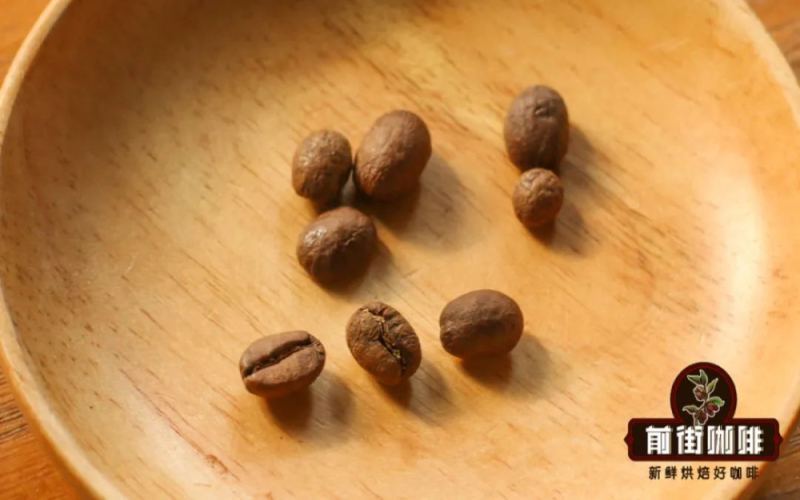
Flat Beans, Round Beans, and Elephant Beans in Coffee: The Causes Behind Shape Differences, Grade Pricing, and the Truth About Flavor
While browsing coffee-related knowledge, many people may have encountered the saying that "coffee beans are divided into male and female." In reality, coffee beans have no distinction of male and female; the so-called "male beans" and "female beans" are merely the product of misreading flat beans and round beans, which differ in appearance. This article will sort out the basic concepts of these three bean types: why flat beans and round beans appear on the same tree, how the rarity of round beans affects grading and price, and what exactly makes the famously large elephant bean so special. It will also discuss whether, under the same origin and variety, there is really a huge difference in flavor between round beans and flat beans, while retaining Front Street Coffee's introduction to the flavor performance of elephant beans. [more…]
How Long is the Freshness Period of Green Coffee Beans? Distinguishing New Beans, Old Beans, Aged Beans, and Vintage Beans, and Key Storage Points
Many coffee enthusiasts know that roasted beans should be drunk fresh, but green beans also have their own levels of freshness. Beans harvested in the current year are called new crop, those from the previous year are old crop, and those stored for more than a year are aged beans. The moisture content of green beans directly affects roasting difficulty and flavor performance. Washed beans usually range between 11.5% and 12.5%, wet-hulled Mandheling can reach 13%, and sun-dried Mocha varies widely. Beyond the usual freshness changes, there are also deliberately extended aging processes and monsoon-aged weathered coffees. This article focuses on the freshness classification of green beans, differences in moisture content, methods for judging appearance and aroma, and the handling logic behind aged beans and monsoon beans, to help you make more accurate judgments when buying and storing. [more…]
Why Coffee Bean Colors Vary in Shade: A Comprehensive Guide from Green Bean Grades to Honey Processing and Defective Beans
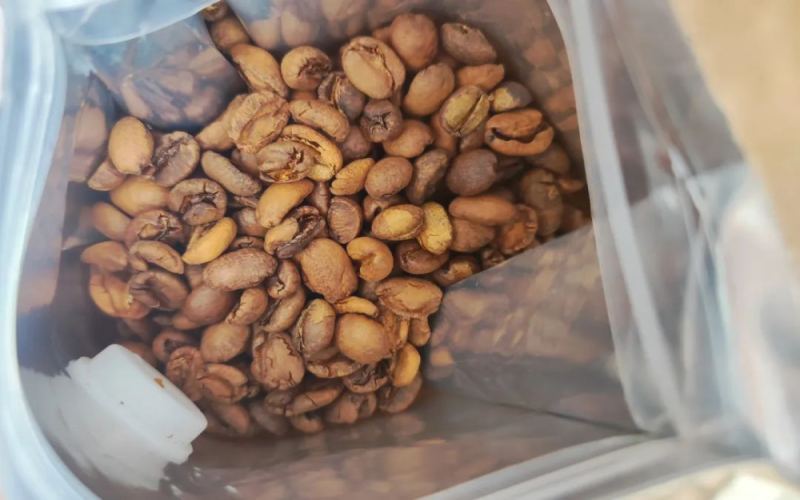
When you buy a bag of coffee beans and open it only to find the colors uneven, many people's first reaction is that "the roast went wrong." But coffee beans, being an agricultural product, can never be uniform bean for bean. This article explains, from the perspectives of green bean grading, honey processing, and anaerobic fermentation, the reasons why light-roasted coffee beans vary in shade, while also clarifying the difference between white-eye beans and normal beans, and pointing out several appearance traits often mistaken for defective beans. At the end, it uses examples from Front Street Coffee's Sherry and Warm Sun blends to illustrate how the roast level affects bean surface color and flavor performance. [more…]
The Truth About Male and Female Coffee Beans: Identifying Round Beans vs. Flat Beans, Their Causes, and Market Value Analysis
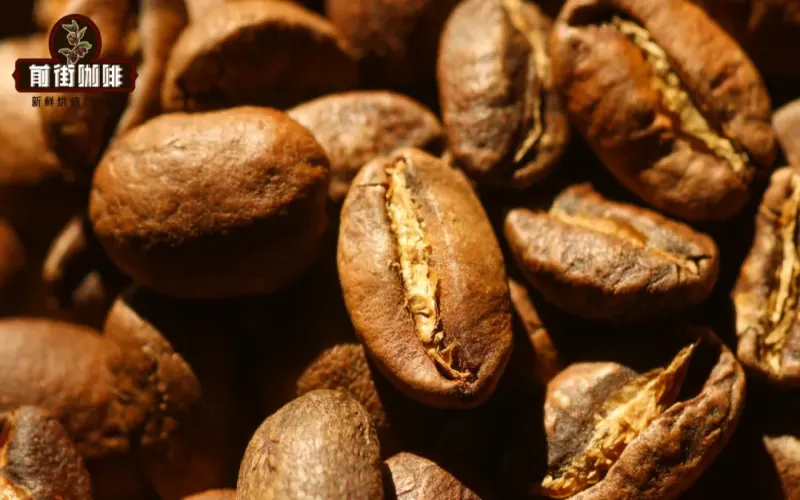
There is a popular saying online that coffee beans are divided into male and female, which confuses many enthusiasts. In fact, coffee beans have no gender differences; the so-called "male beans" and "female beans" are simply round beans and flat beans with different shapes. This article will trace the origin of this claim, explain the reasons for the formation of round beans, and analyze their special status in coffee grading and pricing. At the same time, we will also discuss whether there is really a difference in flavor between round beans and flat beans, and why most producing regions do not specifically screen for round beans. By understanding these basic facts, you will be able to view differences in coffee bean shapes more rationally and no longer be misled by marketing talk. [more…]

Guide to Identifying Coffee Defect Beans: Analysis of Several Bean Types Commonly Misjudged by Consumers and Their Causes
Many pour-over coffee enthusiasts often have doubts about the appearance of the beans after purchasing single-origin beans, and even mistake normal beans for defective ones. There are two main reasons for this misunderstanding: first, consumers who only come into contact with roasted beans rarely see truly defective beans; second, they treat coffee beans as products of an industrial assembly line, assuming they have a fixed standard appearance. In reality, most defective beans are already controlled at the green bean stage, and after roasting there is also manual sorting. This article will systematically sort out the definition of defective beans, the defect rate requirements in green bean grading, and focus on explaining several commonly misjudged situations such as peaberry, burst beans, uneven color, and shriveled wrinkled beans, to help readers view the appearance of coffee beans more rationally. [more…]